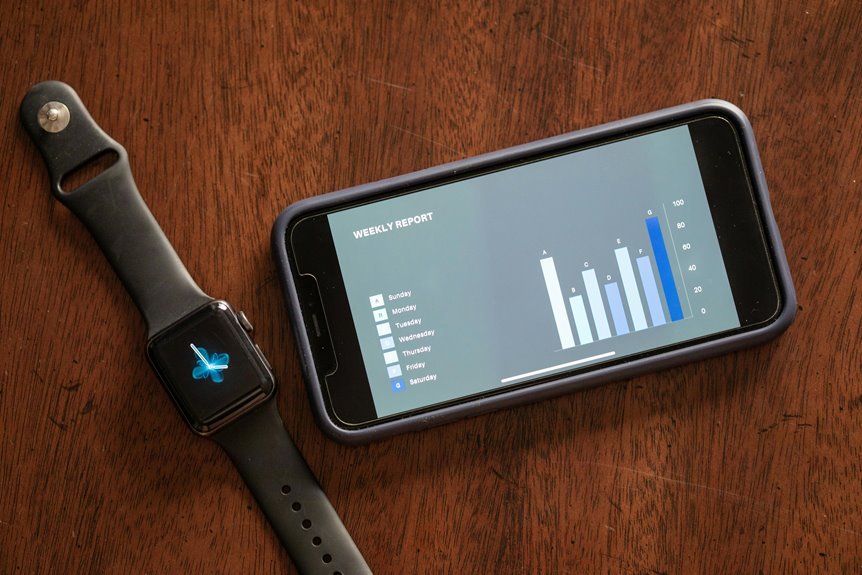
The Software Stop Tracker provides a centralized framework to log, monitor, and report Miksostop events with precise timestamps and clear categorization. It links observed behavior to actionable insights across metrics, logs, and traces, supporting a rapid detect-and-response loop. Governance and ownership are maintained through disciplined incident handling and real-time visibility. The approach emphasizes iterative threshold tuning and autonomous decision-making within a coherent data flow, inviting further consideration of integration, feedback, and practical outcomes.
What Software Stop Tracker Does for Miksostop Events
Software Stop Tracker provides a centralized mechanism to log, monitor, and report Miksostop events. It consolidates data streams, records timestamps, and categorizes incidents for rapid assessment. The system supports tracking metrics, enabling quantified performance insights. It defines alert thresholds, triggering notifications when predefined limits are exceeded. This structure promotes transparent oversight while preserving operational autonomy and a culture of disciplined, purposeful monitoring.
How Miksostop Affects System Stability and Reliability
Miksostop events directly influence system stability and reliability by introducing observable deviations, latency shifts, and error trajectories that teams must detect and manage.
These dynamics expose stability risks and inform reliability metrics, guiding prioritization and response.
Assessments focus on variance, mean time to detect, and remediation time, ensuring transparent reporting, actionable thresholds, and disciplined incident handling without overpromising performance guarantees.
Building Effective Monitoring Feedback Loops
Effective monitoring feedback loops translate observed system behavior into timely, actionable insights. They align signals from metrics, logs, and traces into concise conclusions, guiding governance without overreach. Clear ownership, documented thresholds, and automated alerts prevent drift. By prioritizing rapid detect-and-response cycles, teams sustain monitoring feedback that supports system stability while enabling autonomous, freedom-minded decision making.
Integration, Visibility, and Iterative Tuning in Practice
How do integration, visibility, and iterative tuning cohere in practice to elevate monitoring effectiveness? They align data flows, governance, and actionable insights across systems. Integration feedback channels clarify ownership and trigger mechanisms, while visibility ensures stakeholders observe metrics in real time. Iterative tuning, supported by monitoring governance, refines thresholds and alerts, enabling autonomous yet accountable improvements.
Conclusion
The Software Stop Tracker consolidates data to illuminate miksostop events with precision, yet the urge to act can outpace the pace of observation. It juxtaposes disciplined governance against rapid, autonomous responses, highlighting how visibility can both constrain and empower. By binding logs, metrics, and traces, it creates a stabilizing cadence—even as alerts threaten to overwhelm. In this measured tension, monitoring feedback loops emerge as the vital bridge between awareness and action, guiding reliable, iterative improvement.